Réunion Island on a budget: a 5-day west coast, Cilaos and volcano loop
Five days is tight for an island where “40 kilometres” can mean an hour and a half of hairpin turns, but it’s enough to string together the two things most first-time visitors actually want: a working volcano and a cirque, without burning the whole budget on gîtes and guided everything. This route leans on free days at the lagon to offset one paid night in the mountains and one paid activity, then closes gently in Saint-Pierre instead of trying to squeeze in a second cirque. A rental car is not optional here — see driving in Réunion Island before you land, because the roads reward slow, planned driving more than confidence.
If you have more time, the three cirques in four days itinerary covers Cilaos, Salazie and Mafate properly instead of picking one. If you don’t have a car at all, Réunion Island without a car is the honest, slower version of a West Coast trip. This one is the short, car-based format that prioritizes volcano and cirque over covering the whole island.
Day 1: Saint-Gilles-les-Bains, free and low-cost
Land at Roland-Garros (RUN) or fly into Pierrefonds (ZSE) if you’ve already booked a connecting flight, then pick up the rental car and drive to Saint-Gilles-les-Bains on the west coast — about 45 minutes from Roland-Garros in normal traffic, longer around Saint-Denis at peak hours. Saint-Gilles and neighbouring l’Hermitage sit on the lagoon protected by Réunion’s barrier reef, and the beach itself costs nothing: bring a picnic from the Saint-Paul or Saint-Gilles market instead of eating out for every meal.
Spend the afternoon in the water inside the lagoon rather than heading out past the reef — swimming and watersports outside the lagoon and other surveilled zones are banned by préfecture order because of shark risk, and that rule is enforced, not a suggestion. Snorkelling gear is cheap to rent locally, and the reef here doesn’t need a boat to be worth seeing. For things to do beyond the beach, browse things to do in Saint-Gilles.
If your budget stretches to one paid activity on the coast, this is the day for it: a short boat trip from the Saint-Gilles marina to look for dolphins, and humpback whales if you’re travelling between roughly June and October.
a half-day dolphin and whale watching boat trip from Saint-GillesSleep in Saint-Gilles or nearby La Saline-les-Bains; budget guesthouses and self-catering studios are more plentiful here than in the mountains.
Day 2: the road to Cilaos
This is the day to build the whole itinerary around. The route from the coast to Cilaos runs via Saint-Louis and then climbs the RN5, a road of roughly 400 bends over about 35 kilometres — plan for around an hour of driving, more if you’re not used to hairpins, and don’t schedule anything else before lunch. Leave Saint-Gilles by mid-morning at the latest.
Break the trip with a market stop in Saint-Louis if timing allows, then commit to the climb. Cilaos itself is worth the effort on arrival: a cirque town known for lentils, a small local wine, thermal springs, and some of the best canyoning terrain on the island. Check current conditions before any outdoor activity — the ONF publishes trail closures after heavy rain, and canyoning operators will cancel rather than run a route that isn’t safe.
Book one activity here rather than trying to do everything: Cilaos’s Fleur Jaune canyon is a good match for a first canyoning outing, mixing mineral scenery with rappels and pools without needing a full day of technical experience.
a half-day canyoning descent through the Fleur Jaune canyon near CilaosIf canyoning isn’t for you, swap it for a shorter waymarked walk from the village instead — Cilaos has enough trailheads that you don’t need a car again once you’ve parked. For more on the town and the drive, see things to do in Cilaos and a Cilaos day trip from Saint-Gilles if you’re weighing whether to sleep here at all — on a five-day budget trip, staying the night is worth it, since driving the bends twice in one day adds fatigue for no real saving.
Stay in a Cilaos gîte or guesthouse; book ahead, since the town’s accommodation is limited relative to demand in the dry season.
Day 3: down from Cilaos, up to the volcano
Descend the same 400-bend road back to Saint-Louis in the morning — again, budget close to an hour, and go slowly if it rained overnight. From the coast, drive inland via Le Tampon and Bourg-Murat toward the Piton de la Fournaise area; this transfer, including the Cilaos descent, will take most of the day, so don’t plan a summit attempt for this afternoon.
Break the drive at the Cité du Volcan in Bourg-Murat, a volcanism museum that works well as an introduction before you see the real thing, or as a backup plan entirely if the weather turns. Continue up the volcano road toward the Plaine des Sables and settle into a gîte or budget guesthouse around Bourg-Murat or the Plaine des Cafres for the night, so you’re close enough to leave early the next morning.
Check road and enclos status before you sleep: during periods of volcanic activity or heightened alert, the préfecture can close access to the enclos Fouque and the Pas de Bellecombe trail toward the Dolomieu crater. This happens without much notice, so build in the possibility that tomorrow’s hike gets replaced by the drive and viewpoints alone.
Day 4: Piton de la Fournaise, early start
Leave before sunrise. Cloud and fog typically roll in over the volcano by mid- to late morning, and it’s genuinely cold at the summit — temperatures can sit close to 0°C at dawn in the austral winter, so bring a warm layer and a windbreaker even though you started the day at the beach.
Drive up through the Plaine des Sables, a stretch of black volcanic desert that feels closer to another planet than to a tropical island, to the Pas de Bellecombe belvedere at around 2,311 metres, overlooking the enclos and the small cone of the Formica Leo. If the enclos is open and conditions are stable, the walk to the rim of the Dolomieu crater and back takes around five hours — a real hiking day, not a stroll, and one you should only start if you’re prepared to turn back.
a guided public hike into the volcano’s enclos toward the Dolomieu craterIf the trail is closed, the viewpoints at Pas de Bellecombe and the drive across the Plaine des Sables are still a full, worthwhile morning — don’t treat a closure as a wasted trip, and never plan your visit around the promise of seeing lava, which is never guaranteed. For background on how eruptions and closures work, see can you visit Piton de la Fournaise during an eruption and what time to start the hike. Anyone weighing a guided outing against driving up independently should read self-drive or guided tour for Piton de la Fournaise before booking.
Drive down toward Saint-Pierre in the afternoon — about an hour from the Plaine des Cafres area in clear conditions — and check in for two easier nights on the coast.
Day 5: Saint-Pierre, market and coast
Close the trip at a slower pace in Saint-Pierre, the south’s main town. If your flight home leaves from Pierrefonds (ZSE) rather than Roland-Garros, this is a convenient base for a last day. Walk the covered market and, if your visit lands on a Saturday, the larger open-air marché forain — both are good for a cheap final lunch and last-minute souvenirs like vanilla or rum without paying tourist-shop prices.
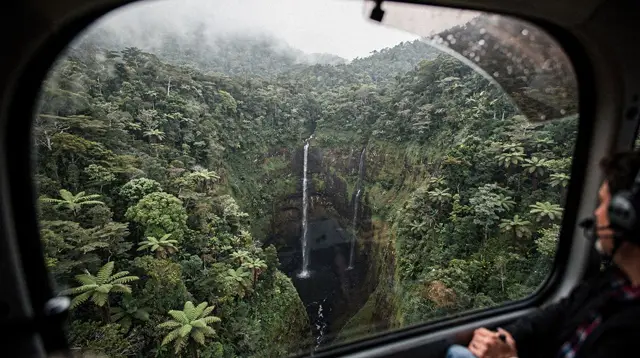
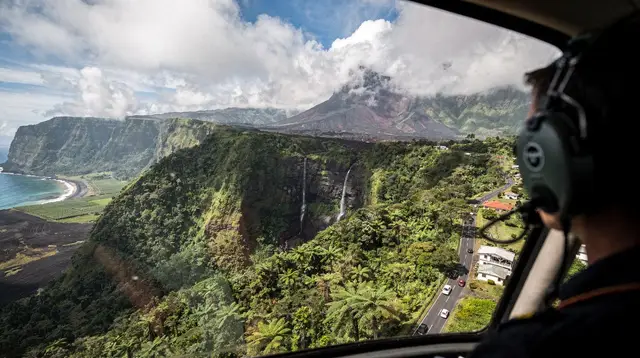
Spend the rest of the day on the front de mer or in the surveilled swimming zones near Saint-Pierre rather than heading further along the wild coast on tired legs after the volcano day. For a short, low-cost activity, the Saga du Rhum distillery tour is inexpensive and close to town. Browse things to do in Saint-Pierre for the rest of the options, and if you want a splurge to end the trip, an island-wide helicopter flight departs from here and covers Cilaos, the volcano and the cirques from the air in under an hour.
a Bras Rouge canyoning route back near Cilaos, if you’d rather add a second adventure day than a rest dayReturn the rental car at your departure airport. If you’re flying out of Roland-Garros, allow at least 45 minutes from Saint-Pierre plus traffic around Saint-Denis; from Pierrefonds, Saint-Pierre is only about 20 minutes away.
Budget snapshot for this route
| Item | Typical cost (per person, per day) |
|---|---|
| Rental car | €35–€55/day, split between travellers |
| Gîte or budget guesthouse | €25–€45/night |
| Self-catered meals + market food | €10–€20/day |
| Restaurant meal (Creole carri, rougail) | €12–€20 |
| Cilaos canyoning half-day | €55–€80 |
| Volcano guided hike | €45–€70 |
| Fuel for the full loop | roughly €60–€90 total for the car |
Prices move with season and operator; treat this as a planning range and confirm the current figure on the booking page before you commit. For a fuller cost breakdown across a longer stay, see Réunion Island trip cost and Réunion Island on a budget.
What this itinerary leaves out, on purpose
Five days doesn’t stretch to Salazie or Mafate, and this route doesn’t try to force them in — adding a third mountain base in this timeframe usually means less time in each place and more driving fatigue on roads that already demand attention. If Salazie’s waterfalls and Hell-Bourg matter more to you than a second Cilaos-style stay, swap Day 2 and 3 for that cirque instead and treat this page as a template rather than a fixed route. Anyone travelling in the austral summer should also read the cyclone season guide before locking in fixed dates, since November to April carries a real chance of disrupted mountain access.
FAQ: a 5-day budget trip to Réunion Island
Can you do this 5-day Réunion Island itinerary without a rental car?
Not really. Car Jaune buses connect the coastal towns but don’t reach Cilaos or the volcano road at a useful pace for five days. A rental car is what makes this loop possible; see Réunion Island without a car for the slower, car-free alternative.
How much does a 5-day budget trip to Réunion Island cost?
Budget travelers typically spend €60 to €100 a day per person on gîtes or budget hotels, self-catered or market-bought meals, fuel and one or two paid activities. A rental car adds roughly €35 to €55 a day. See Réunion Island trip cost for a fuller breakdown.
Is the road to Cilaos as bad as people say?
It’s narrow, tight and has roughly 400 bends over about 35 kilometres, so budget close to an hour of focused driving each way rather than judging it by distance. It’s paved and safe if driven slowly; it just isn’t a road you rush.
Will you see lava at Piton de la Fournaise?
Not on a guarantee. The Fournaise erupts frequently but unpredictably, and the préfecture closes the enclos Fouque, including the Pas de Bellecombe trail to the Dolomieu crater, during active eruptions or heightened alert. This itinerary treats the summit hike as conditional, with the Plaine des Sables drive as the reliable part of the day.
What’s the best time of year for this itinerary?
The austral winter, from May to October, is drier and cooler, which suits both the Cilaos canyoning day and the volcano hike. November to April is the hot, humid austral summer and cyclone season, when mountain roads and the volcano trail are more likely to close after heavy rain.
Do you need hiking experience for this route?
Basic fitness and comfort with a few hours of walking are enough. The Cilaos activity and the Piton de la Fournaise approach are both rated moderate rather than technical, but neither is a stroll, and both depend on weather that can turn quickly at altitude.
Trip planning tours and activities on GetYourGuide
Verified deep-linked GetYourGuide tours. Book through these links and we earn a small commission at no cost to you.
GetYourGuide does not provide a product photo for this activity — the image shows the meeting point, photographed by us.