A town to live in, not just pass through
Most visitors to Réunion Island arrive at Roland-Garros in the north and work their way south. If you land at Pierrefonds airport instead, or simply base yourself here for a few nights, Saint-Pierre changes how the trip feels. This is not a resort strip built for tourists — it is the working capital of the South, with a covered market that runs six days a week, a seafront where locals jog and fish at sunset, and a nightlife scene that other towns on the island simply don’t have.
It is also easy to confuse with the wild south further along the coast — the lava fields of Saint-Joseph and Saint-Philippe. That is a different trip, covered elsewhere. This page is about the town itself: what to eat, where to walk, when the market runs, and why the Saga du Rhum is worth the detour even if you don’t drink rum.
Getting to Saint-Pierre
By car, Saint-Pierre sits roughly 1 hour from Saint-Denis and Roland-Garros airport via the coastal road (Route du Littoral then the western coast through Saint-Gilles and Saint-Leu), traffic depending — expect longer at peak hours around Saint-Denis. From Saint-Leu it’s about 30 minutes; from Cilaos, count on roughly 1 hour of mountain driving down the RN5.
If you’re flying in, Pierrefonds airport (ZSE) sits just west of the town centre, a 10-minute drive from the seafront. It handles fewer routes than Roland-Garros but is genuinely useful if your trip is South-focused: you skip the drive across the island entirely. The Car Jaune bus network connects Saint-Pierre to the coastal towns, but it’s slow for reaching the Hauts — a rental car remains the practical choice for most itineraries. See driving in Réunion Island for road conditions and rental notes.
For anyone weighing whether to rent at all, getting around Réunion Island lays out the bus, taxi and rental options in more detail, and the Réunion Island without a car itinerary is worth a look if Saint-Pierre and its immediate surroundings are as far as you plan to range. Beyond that radius — Cilaos, the wild south, the volcano — a car or an organised tour becomes close to essential, since the Car Jaune network wasn’t built for the mountain roads.
The covered market and the Saturday market
Saint-Pierre’s covered market (marché couvert) operates most mornings in the town centre, with stalls selling spices, vanilla, fruit, local crafts and prepared Creole food. It’s a good stop any day of the week, but the real event is the Saturday market (marché forain), which spreads along the seafront and draws crowds from across the South — produce, street food, clothing, music. Go early if you want to browse without crowds; by late morning it’s dense with both locals and visitors.
A note on practicality: opening hours and stall numbers shift with the season and sometimes with weather, so treat any schedule you read as indicative rather than fixed — check locally or with your accommodation on the day.
The seafront and evenings
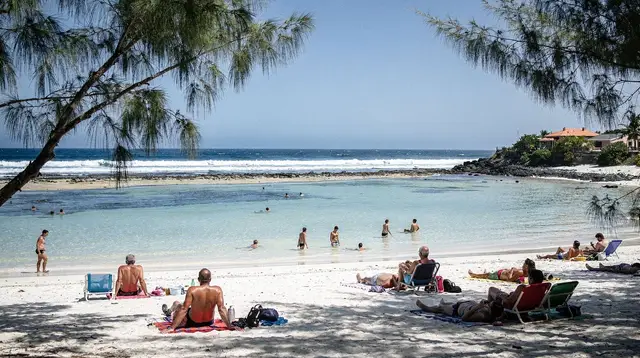
The front de mer runs along the coast in the town centre, lined with palm trees, benches and a promenade that fills up in the late afternoon as the heat breaks. Unlike much of Réunion’s coastline, Saint-Pierre’s shoreline here is more about the walk and the view than swimming — for lagoon swimming, Saint-Gilles and l’Hermitage further north are the better choice, with monitored, sheltered water.
What Saint-Pierre does have, more than anywhere else on the island, is nightlife: bars and restaurants around the marina and town centre stay busy into the evening, and this is where you’ll find the island’s liveliest weekend scene. It’s a low-key, local kind of nightlife rather than a clubbing destination — think a long dinner that turns into drinks on a terrace, live Creole or maloya music some nights, rather than large venues.
Saga du Rhum: the story behind the cane
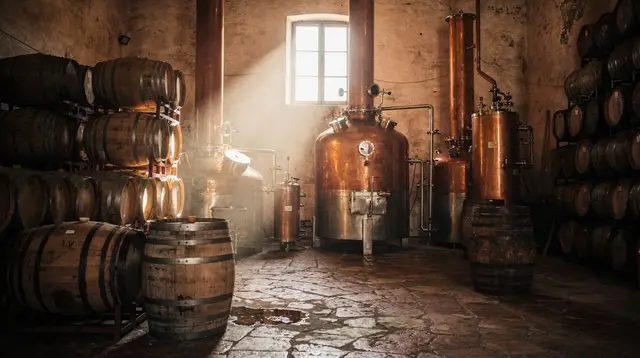
A short drive from the centre, the Saga du Rhum at the Isautier distillery walks through the history of rum production on Réunion, from the sugar cane fields that once covered much of the island to the distillation process still used today. It’s a low-key, well laid out visit — worth 45 minutes to an hour — and it ends, predictably, with a tasting. Even travellers who don’t drink rum tend to find it a useful way to understand the island’s agricultural history, since sugar cane shaped the economy and landscape of Réunion for well over a century.
If you want the fuller picture of Creole food and drink beyond one distillery, see rum distilleries and Creole food in Réunion.
Where Saint-Pierre fits versus the wild south
It’s worth being precise about geography here, because the names blur together for first-time visitors. Saint-Pierre is a town: a market, a seafront, restaurants, an airport. The wild south (Sud sauvage) is a stretch of coastline further east, past Petite-Île and Saint-Joseph, where basalt cliffs meet the sea and old lava flows from Piton de la Fournaise reach the coast around the Grand Brûlé. That’s a separate day trip, with its own driving time and its own rhythm — see the wild south day trip guide if that’s what you’re after. Saint-Pierre itself has no lava fields, no Cap Méchant, and no wild coastal hiking — it’s the urban, coastal anchor of the South, not the wilderness beyond it.
What else is nearby
Saint-Pierre works well as a base for exploring several sides of southern Réunion without long drives:
| Place | Distance from Saint-Pierre | What it’s for |
|---|---|---|
| L’Étang-Salé | About 15 minutes | Black sand beach, forest walks |
| Grand Anse | About 25 minutes | Sheltered swimming pool by the sea |
| Cilaos | About 1 hour (mountain road) | Cirque, canyoning, Piton des Neiges access |
| Wild south (Saint-Joseph, Saint-Philippe) | 30-60 minutes | Lava coast, Cap Méchant, Langevin waterfall |
| Piton de la Fournaise (Pas de Bellecombe) | About 1.5 hours | Volcano hike, weather permitting |
Distances here are approximate and depend on traffic and road conditions; mountain roads especially can take longer than the kilometre count suggests.
Getting a view from above
For travellers based in the South, a helicopter flight departing from Saint-Pierre is one of the more efficient ways to see Réunion’s interior without the driving. You can go up with an island tour by helicopter departing from Saint-Pierre for views over the cirques and coastline, or take the longer full helicopter flight over Réunion Island from Saint-Pierre if you want to cover more ground, including the volcano and the Cirque de Mafate, in one trip. Both depend entirely on clear weather — mornings tend to offer the best visibility before clouds build over the highlands.
Around town and a bit of adrenaline
Inside the town itself, a guided Segway tour of Saint-Pierre is a relaxed way to cover the seafront, market streets and historic centre in under two hours without much walking. For something with more of an adrenaline spike, the bungee and pendulum jump at the Bras de la Plaine bridge, a short drive inland toward Le Tampon, drops from a 115-metre bridge over a ravine — not for everyone, but a striking half-day detour if you’re up for it.
Day trips from Saint-Pierre into the wild south
If your base is Saint-Pierre but you want to see the lava coast and waterfalls further east, an organised wild south tour covering waterfalls, nature and the lava route saves the logistics of self-driving unfamiliar coastal roads. It’s a sensible option if you’d rather sit back for a day and let someone else navigate the Route des Laves.
When to visit Saint-Pierre
Réunion’s seasons run opposite to Europe’s. The Austral winter, from May to October, brings drier, cooler weather and is the best stretch for exploring the South — comfortable temperatures for walking the market and seafront, and the safest window for the mountain drives up to Cilaos or out toward the volcano. The Austral summer, from November to April, is hotter and more humid island-wide, and it’s also the cyclone season: heavy rain and occasional storm warnings can disrupt flights through Pierrefonds and Roland-Garros alike, and mountain roads can close without much notice.
Saint-Pierre itself, on the drier west-facing side of the South, rarely sees the extremes that hit the east coast, but it isn’t immune. For a month-by-month breakdown of what to expect across the island, see Réunion Island weather by month; for the specific risks and what to do if a storm tracks toward the island during your stay, see the cyclone season guide.
There’s no daylight saving on Réunion — the island sits at UTC+4 year-round — so sunrise and sunset times shift only slightly across the year, and evenings in Saint-Pierre’s town centre keep a fairly consistent rhythm whichever month you visit.
Where to eat in Saint-Pierre
Beyond the market stalls, Saint-Pierre has one of the island’s better spreads of restaurants for a town its size, clustered around the seafront and the streets just back from it. Creole staples — rougail saucisse, carri, samousas, bonbons piment as a snack while you walk — turn up on menus alongside French bistro standards and, given the harbour, a fair amount of fresh fish. It’s a town where a long dinner is part of the evening rather than a stop before it, which fits with the nightlife described above. For a broader primer on what to order and where Creole cooking fits into the island’s food culture generally, see what to eat in Réunion Island; the Saga du Rhum visit above pairs naturally with a rhum arrangé afterward, which is covered in more depth in the rhum arrangé guide.
A simple one-day plan for Saint-Pierre
If you only have a single day here, mornings are for the market — covered stalls any day, the bigger Saturday market if your dates line up — followed by a walk along the front de mer while the heat is still manageable. Midday works well for the Saga du Rhum, since the visit is short and shaded. Save the afternoon for whichever of the two poles suits your trip: a helicopter flight for an aerial view of the interior, or a slower loop on foot or by Segway through the historic centre. Evenings belong to the seafront restaurants and bars, which is when Saint-Pierre’s character really shows. If you’re building this into a longer trip rather than a single stop, one day in Réunion Island and a weekend in Réunion Island both show how a Saint-Pierre base slots into a wider itinerary around the South.
Practical notes
- Money: euro (EUR). Cards are widely accepted in Saint-Pierre’s restaurants and shops; carry some cash for market stalls, which often prefer it.
- Parking: central Saint-Pierre gets busy on Saturday market mornings; arrive early or expect to park a short walk from the centre.
- Language: French is the working language; Réunion Creole is widely spoken and you’ll hear it around the market.
- Safety: swimming is not recommended along the open coast near central Saint-Pierre because of shark risk under prefectural restrictions — use the lagoon and monitored areas further along the coast, such as at Saint-Gilles or Saint-Leu, for swimming.
- Timing: the covered market runs most mornings; the Saturday market is the bigger event. Confirm current hours locally, since they can shift with the season.
Saint-Pierre, Réunion Island: frequently asked questions
Is Saint-Pierre worth visiting on a Réunion Island trip?
Yes. It’s the South’s largest town, with a genuine local rhythm — markets, a seafront, restaurants and the island’s most active nightlife — and it works well as a base for day trips to Cilaos, the wild south or Piton de la Fournaise.
Can I fly directly into Saint-Pierre?
Yes, via Pierrefonds airport (ZSE), a short drive west of the town centre. It has fewer routes than Roland-Garros near Saint-Denis, but it’s a practical entry point if your trip focuses on the South.
When is the best time to visit the Saint-Pierre market?
The covered market runs most mornings; the Saturday market along the seafront is the largest and liveliest. Arrive early to avoid the midday crowds, and check current hours locally since they can vary seasonally.
Is Saint-Pierre the same as the wild south?
No. Saint-Pierre is a coastal town with a market, seafront and nightlife. The wild south (Sud sauvage) is a separate stretch of coastline further east, past Saint-Joseph, with lava fields and the Cap Méchant — a different day trip, not part of Saint-Pierre itself.
Can you swim in Saint-Pierre?
Swimming directly off central Saint-Pierre’s seafront is not advised due to shark-risk restrictions along the open coast. For swimming, head to the lagoon at Saint-Gilles and l’Hermitage, or monitored beaches such as Grand Anse or L’Étang-Salé nearby.
What is the Saga du Rhum?
It’s a visitor experience at the Isautier distillery in Saint-Pierre explaining Réunion’s sugar cane and rum-making history, ending with a tasting. It takes about 45 minutes to an hour and is a useful stop for understanding the island’s agricultural past.
How far is Saint-Pierre from Saint-Denis?
About 1 hour by car via the coastal road, though traffic around Saint-Denis can add time during peak periods.
Is Saint-Pierre a good base for exploring the South of Réunion?
Yes. It sits within roughly 1.5 hours of most southern highlights — L’Étang-Salé, Grand Anse, Cilaos, the wild south and Piton de la Fournaise — making it a practical hub if you’d rather not backtrack to the west coast each day.