If Mafate is the cirque you can only reach on foot, Salazie is its opposite: a paved road climbs straight into it from Saint-André, and by the time you’re parking in Hell-Bourg you’ve barely broken a sweat. That contrast is worth stating plainly before anything else, because it decides who this cirque is for. Salazie doesn’t ask for trekking boots or a multi-day gîte booking the way Mafate does, and it doesn’t ask for the nerve to handle Cilaos’s switchback road either. What it offers instead is the greenest of Réunion’s three volcanic amphitheatres, a cluster of waterfalls fed by heavy rainfall, and Hell-Bourg, a village of creole houses that’s one of the most photographed corners of the island without being a theme-park version of itself.
Getting into the cirque
The road into Salazie leaves the coast at Saint-André, on the island’s wetter east side, and climbs gradually rather than switching back on itself the way the Cilaos road does. From Saint-Denis it’s roughly 1h15 to Hell-Bourg; from Saint-Gilles on the west coast, plan closer to 1h45–2h once you’ve crossed the island and worked through Saint-André’s traffic. That’s still a real drive with mountain bends, so don’t treat the kilometre count on a map as a reliable guide to timing — as with most of Réunion’s interior, think in minutes, not distance.
The road is sealed and manageable in a standard rental car, which is precisely what sets Salazie apart. There’s no equivalent here to the roughly 400 bends of the Cilaos climb, and no need to leave the car at a trailhead and walk in for hours, as you would for Mafate. That accessibility is also why Salazie gets busier on weekends and school holidays than its neighbours — it’s the cirque day-trippers from the coast default to.
Rain is part of the deal. Salazie catches the moisture blowing in off the Indian Ocean before it reaches the drier west, which is exactly why it stays this green and why its waterfalls run harder than Cilaos’s. It also means the road can close after heavy rainfall, more often during the Austral summer (November to April) than the dry winter months. Check conditions before committing to a day trip in cyclone season, and don’t assume a clear morning on the coast means a clear cirque.
Hell-Bourg: a village, not a sports base
Hell-Bourg sits at the head of the cirque and functions as its main town, though “town” overstates its size. It’s a village of creole houses with lambrequins (the decorative wooden trim under the eaves), narrow streets, small guesthouses and a handful of restaurants serving cirque produce — chouchou (a local squash), freshwater shrimp, and the kind of simple carri you’ll find across the island’s Hauts. It’s classified among the Plus Beaux Villages de France, a label that’s earned rather than promotional: the architecture is genuinely intact, not rebuilt for visitors.
This is the point worth underlining for anyone weighing Salazie against Cilaos: Hell-Bourg is a walking destination, not a sporting one. There’s no canyoning outfit here, no thermal baths, no mountain summit trailhead comparable to Piton des Neiges. What there is, is an easy stroll through the village itself — flat streets, old houses to look at, a thermal-bath ruin from the 19th century when Hell-Bourg was a spa town before a 1948 flood destroyed the baths — plus short walks to nearby waterfalls. If you came to Réunion wanting a demanding hike or an adrenaline activity, this isn’t where you’ll find it; that’s Cilaos’s role, or Mafate’s. If you came for a slower morning with real architecture and mountain scenery around it, Hell-Bourg delivers.
A guided walk through Hell-Bourg’s creole streets with a local guide adds context you’d otherwise miss on your own — which houses are original, what the lambrequin patterns mean, why the village nearly disappeared after the 1948 flood. It’s a couple of hours at most and suits anyone travelling with people who don’t want a hike that day.
For a broader day plan built around the village, see things to do in Cilaos for a sense of how the neighbouring cirque compares, and Salazie day trip from Saint-Gilles for a route that fits the drive time above into a single day from the west coast.
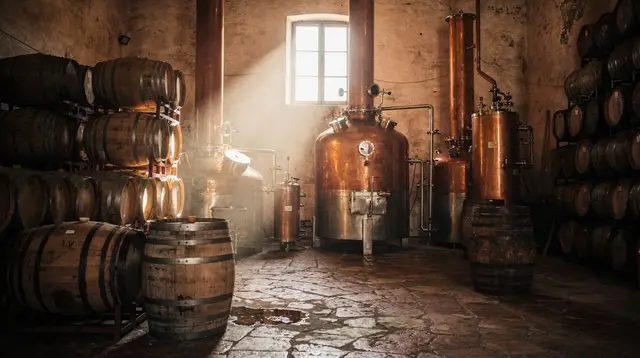
Hell-Bourg’s restaurants lean on what actually grows in the cirque rather than anything shipped up from the coast. Chouchou, a pale green squash that thrives in Salazie’s rain and cool nights, turns up gratinéed, stuffed or stewed into a carri; freshwater shrimp (camarons) from the cirque’s streams are another local specialty worth ordering if a table has them. It’s simple mountain cooking, closer to what you’d find in a Cilaos or Mafate gîte than the beachfront seafood of the west coast, and it’s part of what makes a meal in Hell-Bourg feel distinct from a coastal one. For the island’s food culture more broadly, including where rum and vanilla fit in, see what to eat in Réunion Island and Réunion Island rum distilleries and creole food.
The waterfalls
Salazie’s rainfall does the work that engineering does elsewhere: this cirque has more visible waterfalls per kilometre of road than anywhere else on the island. The best known is the Voile de la Mariée (Bridal Veil Falls), visible from a roadside pull-off on the climb up, where a set of thin cascades drops down a cliff face in a pattern that, with enough imagination and enough rain, resembles a wedding veil. It’s an easy stop rather than a hike — you see it from the road or a short path — and it’s genuinely dependent on recent rainfall. After a dry spell in the Austral winter it can thin to a few strands; after heavy rain it’s dramatic. Treat it as a bonus on the way up, not the reason for the trip.
Further into the cirque, smaller cascades appear along side roads and short paths near Hell-Bourg and the surrounding hamlets, most requiring no more than a 20–30 minute round-trip walk. None of them carry the technical grading that would put them alongside Cilaos’s canyoning routes; this is sightseeing, not adventure sport. For a fuller list of where the water is best across the whole island, best waterfalls and natural pools in Réunion covers Salazie alongside the east coast and the wild south.
What makes Salazie’s waterfalls run harder than the west coast’s dry riverbeds comes down to the same weather pattern that shapes the whole island: Réunion’s east-facing slopes catch the moisture-laden trade winds first, while the west stays in a rain shadow. That’s why Saint-Gilles and Saint-Leu can be dry and sunny on a day when Salazie and Hell-Bourg are under cloud and drizzle — a contrast worth knowing before you plan a same-day combination of both coasts. It’s the same mechanism covered in Réunion Island weather by month, which is useful if you’re trying to time a Salazie visit around a drier window.
The Trou de Fer viewpoint from Belouve
The single most rewarding stop associated with Salazie sits technically outside the cirque itself, on its rim: the Belouve forest and its viewpoint over the Trou de Fer, a deep, waterfall-lined gorge often described as one of the most spectacular sights on the island. The access point is the Gîte de Belouve, reached by a side road that climbs up from the Salazie valley (not through Hell-Bourg itself — check your route before setting off, since the two roads split lower down). From the car park, a forest walk of around 45 minutes to an hour round trip leads through tamarind forest to the viewpoint.
Here’s the honest caveat: the Trou de Fer is frequently veiled by cloud, especially from mid-morning onward, which is standard behaviour for Réunion’s interior and not a sign anything’s wrong. An early start — arriving at Belouve by mid-morning at the latest — meaningfully improves your odds of a clear view. If the weather doesn’t cooperate, there’s no way to force it; this is one of the spots on the island where patience and timing matter more than effort.
For visitors who want to go beyond the viewpoint and into the forest with someone who knows the terrain, a small-group guided hike toward the Trou de Fer covers more ground than the standalone walk from Belouve and explains what you’re looking at once you get there. There’s also a weekly guided hike through Belouve forest to the Trou de Fer, run in French, worth knowing about if you’re comfortable following commentary in French and want a scheduled departure rather than arranging your own guide. For more detail on framing expectations around cloud cover and timing, see how to see the Trou de Fer waterfall.
Salazie versus Cilaos: choosing between the two
Both cirques are reachable by car, which is exactly why they get compared, but the experience inside each is different enough that picking wrong wastes a day.
| Salazie | Cilaos | |
|---|---|---|
| Road in | Straightforward climb from Saint-André | Around 400 bends from Saint-Louis, slower and more demanding to drive |
| Main village | Hell-Bourg — walking, architecture | Cilaos town — canyoning base, thermal springs |
| Signature activity | Waterfall stops, Belouve/Trou de Fer viewpoint | Canyoning, Piton des Neiges ascent |
| Climate | Wetter, greener | Drier, more mineral landscape |
| Effort level | Low — a village and short walks | Moderate to high — canyoning and multi-hour summit hike |
| Good for | A relaxed day, first cirque visit | Active travellers, longer stay |
If you only have time for one cirque and want scenery and a village without physical demands, Salazie wins. If you’re building a trip around hiking Piton des Neiges or want canyoning, Cilaos is the one to plan around — see Cilaos versus Salazie for a longer side-by-side, and best hikes in Réunion Island if you’re weighing which cirque suits your fitness and time budget.
Travellers with more time sometimes do both, along with a glimpse of roadless Mafate from the Maïdo viewpoint, over several days — a route covered in three cirques in four days. For a shorter trip, weekend in Réunion Island shows how a Salazie day fits alongside coastal time.
Salazie inside the UNESCO-listed highlands
Salazie is one of the three cirques that together with Réunion’s central peaks and escarpments make up “Pitons, cirques et remparts,” inscribed as a UNESCO World Heritage site in 2010 and protected as part of the Parc national de La Réunion, created in 2007. The cirque itself sits below Piton des Neiges, at 3,070 metres the highest point in the Indian Ocean and the extinct volcano whose collapse millennia ago carved out Salazie, Cilaos and Mafate in the first place.
You won’t summit it from Salazie — the main trailhead for that climb is on the Cilaos side — but the peak is visible from several points around Hell-Bourg and the Belouve rim on a clear morning, a reminder that the whole cirque sits inside the same protected massif as its neighbours. For the climb itself, see the Piton des Neiges summit hike guide, and for the island’s other volcanic centrepiece, Piton de la Fournaise covers the active volcano on the opposite side of the island.
Practical notes
When to go. May to October, the Austral dry season, gives the most reliable driving conditions and the best odds of a clear Belouve viewpoint. The Austral summer (November to April) brings heavier rain, more dramatic waterfalls on a given day, but also a higher chance of cloud cover, localised flooding, and, during the cyclone season, possible road closures into the cirque. Don’t plan a Trou de Fer viewing around a cyclone-season date; check the prefecture’s alerts before setting off. For how the cyclone season affects planning across the island more generally, see Réunion Island cyclone season guide.
Money and basics. Réunion is a French overseas department, so the currency is the euro and EU-issued cards work as they would in mainland France; Hell-Bourg’s guesthouses and small restaurants are used to cash for smaller purchases, since not every counter takes cards. Mobile coverage in the village itself is generally reliable, though it can drop on the forest walk to Belouve. See money and payments in Réunion Island and phone and internet in Réunion Island for more detail.
Getting there without a car. Salazie is one of the harder cirques to reach on public transport. The Car Jaune network serves the coast well but climbs into the Hauts more slowly and less frequently — see Réunion Island by bus: the Car Jaune guide if you’re travelling without a rental. For most visitors, a rental car is the practical choice; driving in Réunion Island covers what to expect on mountain roads generally.
A guided day instead of self-driving. If you’d rather not navigate the road and viewpoint timing yourself, a small-group guided tour of Salazie from La Réunion covers Hell-Bourg and the cirque’s key stops with a driver-guide, useful if you’re staying on the coast without your own transport or simply want the logistics handled.
Where to stay. Hell-Bourg has a small number of guesthouses and gîtes; staying overnight lets you reach Belouve at first light rather than racing up from the coast, which meaningfully improves your chances at the Trou de Fer viewpoint. A day trip from the west coast is entirely workable too, given the drive times above — it’s simply a longer day.
What to bring. Rain gear, even in the dry season — Salazie earns its greenery from rain that can arrive with little warning. Sturdy but not technical footwear covers the village and short waterfall walks; nothing here requires mountain boots unless you’ve booked one of the longer guided hikes toward the Trou de Fer.
Nearby and related
Salazie sits alongside the island’s other two cirques within the cirques region, and pairs naturally with a look at Piton de la Fournaise if you’re covering the island’s volcanic highlights in one trip, or the east coast if you’re basing yourself near Saint-André. For families weighing an easier cirque day against a more demanding one, best viewpoints in Réunion Island rounds up Belouve alongside the Maïdo and Pas de Bellecombe for comparison.