What to eat in Réunion Island
The first time someone in Saint-Denis told me to order “un carri”, I assumed it would taste like the curries I knew from elsewhere. It didn’t, and that was the point. Réunion’s food isn’t a tropical variation on something familiar — it’s its own thing, built over generations by people who arrived from Africa, India, China, Madagascar and Europe and ended up, eventually, sharing a table. I mentioned this mix of communities when I wrote about Saint-Denis and its mosque, temples and pagodas standing a few streets apart. The food tells the same story, just with rice and lentils instead of buildings.
Carri: the everyday dish
Carri is the base of Réunion home cooking, and it’s not really “curry” in the Indian or Thai sense. It’s a stew — chicken, pork, fish, swordfish, or on a good day, tuna — cooked slowly with tomato, garlic, ginger, thyme and turmeric, which gives it that deep yellow colour. It’s mild more often than fiery; the heat comes separately, from a spoon of rougail on the side.
A proper carri lunch comes with a fixed cast of supporting dishes: white rice, lentils or haricots rouges (red beans), and a rougail — a raw, chopped condiment of tomato, onion, chilli and ginger that you add yourself, in whatever quantity your tolerance allows. I’ve watched a table of four order the same carri and end up with four completely different meals depending on how much rougail each person spooned on.
Rougail saucisse: the dish everyone actually orders
If carri is the everyday backbone, rougail saucisse is the dish Réunion cooks for pleasure. Smoked pork or beef sausages are simmered in a thick tomato, garlic and chilli sauce until they’re almost falling apart, then served over rice with lentils. It’s the meal I’d point to if someone asked me to name one plate that sums up the island’s cooking: rich, a little smoky, not trying to be refined. You’ll find it on nearly every lunch menu from Saint-Denis to Saint-Pierre, and the quality varies more with the cook than with the price.
Samoussas, bouchons and the street-food layer
Alongside the sit-down meals, there’s a whole layer of snacking food that shows the Indian and Chinese threads in the island’s history more directly. Samoussas — small, deep-fried triangles filled with meat, fish or vegetables — turn up at bakeries, market stalls and at the start of almost any shared meal. Bouchons are Chinese-style steamed dumplings, usually pork, sold by the half-dozen at snack counters and lunch spots; they’re closer to what you’d find in a Cantonese dim sum kitchen than to anything French, and they’re a reminder that Réunion’s Chinese community has been part of the island’s food culture for well over a century.
None of this is dressed up for visitors. It’s what people eat on an ordinary Tuesday, bought from the same counters locals use, which is part of why it’s worth seeking out rather than defaulting to a hotel buffet.
Markets: where the ingredients come from
If you want to see where a lot of this cooking starts rather than where it ends up on a plate, the island’s markets are the place to do it. Saint-Paul’s market is the one most visitors end up at, with produce stalls sitting alongside the same samoussas and bouchons you’ll find at lunch counters — I’ve written a separate guide to it if you want the practical details. Saint-Denis and Saint-Pierre both have their own market scenes too, and they’re worth folding into a day that’s built around eating rather than sightseeing alone.
Where I’ve eaten well
I won’t pretend I’ve covered the whole island’s food scene, but two towns stood out for different reasons. In Saint-Denis, the streets around rue de Paris have small creole restaurants that do a straightforward carri and rougail saucisse lunch without ceremony — good if you want to understand the baseline before judging anything fancier. In Saint-Pierre, the front of mer and the streets near the covered market have more variety, including seafood carris that lean on the day’s catch, and the town’s Saturday market atmosphere spills into the food stalls around it (I’ve written separately about that market, so I won’t repeat it here).
Prices are honestly a bit higher than what you’d pay for the same kind of meal in mainland France — most ingredients that aren’t grown locally have to be shipped or flown in, and that shows up on the bill. A sit-down carri lunch with rice, lentils and a drink is rarely the cheapest option on the island, but it’s also not the kind of place that inflates prices for tourists specifically; locals eat at the same tables.
Fitting food into a wider budget
Meals are one line in a bigger trip budget, alongside the car rental, activities and where you sleep. If you’re trying to work out what a week actually costs, I’ve broken that down separately, along with a version aimed specifically at keeping costs down. Payment is straightforward — euros, cards accepted in most sit-down places, though smaller snack counters sometimes prefer cash, which I cover in more detail in a guide to money and payments on the island. Where you’re staying matters too: a place near a town centre in Saint-Denis or Saint-Pierre puts you within walking distance of the kind of everyday creole restaurants described above, which is one more thing worth weighing when you’re deciding where to stay.
A quick pairing note: rhum arrangé
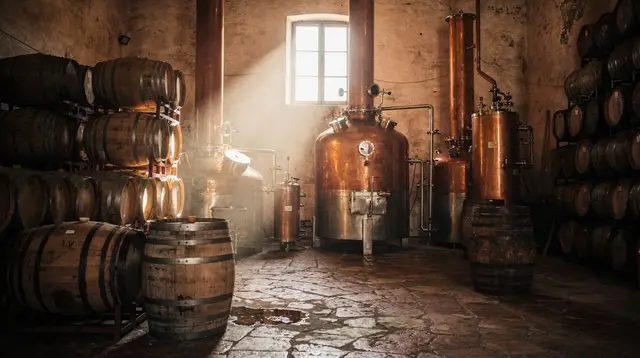
No creole meal really ends without someone mentioning rhum arrangé — local rum infused with fruit, vanilla or spices, usually homemade and passed around after dinner rather than sold as a polished product. It’s less a subject for this page than its own one, so I’ll point you to a separate guide rather than get into the details here. If you’d rather see where the rum itself comes from, there’s also a guide to the island’s rum distilleries, several of which are set up for visits.
Beyond the plate
If you want a break between meals, most of what I’d recommend is in the water rather than at a table. A turtle-watching snorkel trip in Saint-Gilles-les-Bains is an easy half-day that works before or after a big lunch. For a wider view of where all this food geography sits on the map, a microlight flight over the island or a helicopter tour departing from Saint-Gilles makes the distances between the coastal towns and the green, wetter east coast — where much of the island’s vanilla and sugarcane grow — much easier to picture. If you’re visiting between roughly June and October, it’s also worth building a whale and dolphin encounter into the trip; it has nothing to do with food, but it’s the kind of thing people plan their meals around here.
Food across the island’s regions
The plate in front of you tends to shift a little depending on where you’re eating it. West coast towns like Saint-Gilles and Saint-Leu have a more visibly touristic dining scene, with beach restaurants and snack bars sitting alongside the lagoon and the surf spots. Head up into the cirques — Cilaos or Salazie — and the atmosphere shifts noticeably, with smaller family-run tables built more around hikers finishing a trail than around a beach day. The wilder south and the greener east coast, where vanilla and sugarcane are grown, tend to keep things simpler still: a carri at a roadside table rather than a menu with much choice. None of these versions is “more authentic” than another — they’re just what’s on hand locally.
A note on vanilla and the vanilla economy
Bourbon vanilla is everywhere in Réunion cooking, from rougail to desserts, and it’s genuinely one of the island’s signature exports. I’m not going to detail the growing and curing process here — there’s a dedicated page for that — but it’s worth knowing it exists as you eat your way around, because you’ll see it name-checked on menus more than you might expect for what looks, at first, like a fairly simple creole kitchen.
What Réunion food is not
It’s not fusion cuisine dressed up for a food-tourism crowd, and it’s not a single “national dish” you can tick off a list. It’s a working home-cooking tradition, shaped by whoever’s community brought which ingredients, and it still varies from one kitchen to the next more than any menu description can capture. That’s also why I’d rather send you to eat in Saint-Denis or Saint-Pierre than tell you there’s one restaurant that “does it best” — there isn’t.
Food, culture and the calendar
Meals here are rarely separate from the island’s wider cultural mix. Tamil temple festivals like Dipavali often come with their own food traditions built around them, and the same goes for sega and maloya, the island’s music — you’ll hear it at the same family gatherings where a carri is being served, not in a separate show staged for visitors. If you want the fuller picture of how Réunion’s communities coexist, from temples to churches to mosques, that’s covered in more depth in a guide to the island’s culture and religions. And if you’re picking up a few words of creole before you go, a handful of everyday phrases go a long way at a market stall or a family-run table.
Questions about eating in Réunion Island
Is Réunion food spicy?
Not by default. Carri itself is usually mild; the heat is added separately through rougail, a raw chilli-tomato condiment you spoon on yourself, so you control the spice level rather than the kitchen.
What is rougail, exactly?
There are two things called rougail: the raw chilli-tomato-onion condiment served alongside carri, and rougail saucisse, a cooked dish of sausages simmered in tomato sauce. Both share the tomato-and-chilli base but are eaten differently.
Are samoussas and bouchons the same thing?
No. Samoussas are deep-fried, triangular pastries with a meat, fish or vegetable filling. Bouchons are steamed Chinese-style dumplings, usually pork. Both are common street food, often sold at the same counters.
Is food more expensive in Réunion than in mainland France?
Often a little, yes, mostly because many ingredients are imported. A creole restaurant lunch isn’t usually cheap, but prices aren’t inflated for tourists specifically — locals eat at the same tables.
Can I eat well without a car?
Yes, in the main towns. Saint-Denis and Saint-Pierre both have creole restaurants and street-food stalls within walking distance of their centres, so a car isn’t required for the food side of a trip.
Do restaurants cater to vegetarians?
Carri can be made with vegetables alone, and lentils and rice are already meat-free, so vegetarian options exist, though they’re not always highlighted on menus the way they might be elsewhere. It’s worth asking directly.
What should I drink with a creole meal?
Local rum, often as rhum arrangé after the meal, is the classic pairing, alongside standard soft drinks and beer with the meal itself.
Is street food safe to eat?
Samoussas and bouchons from busy stalls and bakeries are a normal, everyday food for locals, not a risk specific to tourists. Standard travel sense — busy stalls with high turnover — applies here as anywhere.
tours.Food
Verified deep-linked GetYourGuide tours. Book through these links and we earn a small commission at no cost to you.
GetYourGuide does not provide a product photo for this activity — the image shows the meeting point, photographed by us.