What to expect at the Saint-Paul market, honestly
Why I’m being careful about this one
I want to be upfront: I have not stood in front of a market stall in Saint-Paul with a stopwatch and a notebook, so I am not going to hand you specific opening days, exact hours or a list of which vendors sell what this month. Markets in Réunion change with the season, with the harvest, and sometimes with who feels like setting up that morning. What I can do is tell you what to expect in general from a Creole market on this island, situate Saint-Paul properly on the map, and be honest about what I don’t know yet.
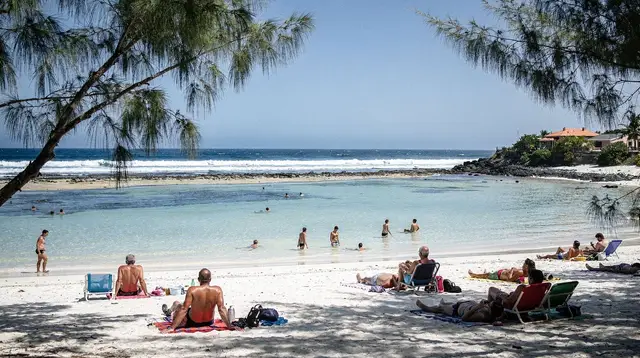
Saint-Paul sits on the west coast, the dry, sunny side of the island, on the road that eventually climbs toward the Maïdo viewpoint above Mafate. If you’re staying around Saint-Gilles-les-Bains or l’Hermitage and heading up to the Maïdo for sunrise or mid-morning views over the cirque, Saint-Paul is on your way, not a detour. That alone makes it worth a short stop, market or no market.
If you’re still working out how long to spend on this coast, or when to come, the general how many days in Réunion Island and best time to visit Réunion Island guides are a better starting point than trying to plan around a single market morning.
What a Creole market generally looks like here
Across Réunion, a market day usually brings out the same broad mix: fruit and vegetables grown in the Hauts or along the coast, spices, vanilla pods, achards (pickled vegetable condiments), samosas and bouchons sold hot, and the odd stall of woven baskets or embroidery. The atmosphere is usually more social than touristic — people doing their weekly shopping, greeting neighbours, haggling gently over a kilo of mangoes. It’s a good place to feel the island’s vivre-ensemble, the mix of Creole, Indian, Chinese and metropolitan French influences that shows up as easily in a market crowd as it does in a street of temples and mosques in Saint-Denis.
That’s the honest, general picture. What I can’t do is promise you that Saint-Paul’s market runs on a particular morning, that it has a covered hall, or that a specific stall will be there when you arrive. Rather than invent details to make this page sound more complete, I’d rather send you to check current days and hours before you build a morning around it — ask at your accommodation, check the town’s tourism office, or look at recent local listings.
The food behind the market stalls
The produce you’ll see at any Creole market here — vanilla, achards, samosas, bouchons — is part of a wider food culture worth understanding on its own terms. The what to eat in Réunion Island guide covers the dishes you’ll actually find on menus, and the rum distilleries and Creole food guide goes deeper into where rhum arrangé and local cooking meet. If vanilla pods are what catch your eye at a stall, the bourbon vanilla in Réunion piece explains why the island’s vanilla has its own name and reputation. And if you want to understand what’s actually in the bottles sold at markets and distilleries alike, rhum arrangé explained is the honest version, without the marketing.
What I can vouch for: Saint-Pierre
If a market is a fixed point in your itinerary rather than a maybe, Saint-Pierre, in the south, has both a covered market and a Saturday market (marché forain) that I’m comfortable describing with more confidence. It’s about an hour or more from Saint-Paul depending on which road you take and how much traffic you hit around Saint-Louis and Saint-Leu, so it’s not a quick add-on to a West Coast morning — treat it as its own outing, probably paired with the Sud sauvage or a day based in the south. The things to do in Saint-Pierre guide covers the town beyond the market itself.
| Market | Where | What I can confirm |
|---|---|---|
| Covered market | Saint-Pierre | Year-round, general produce and goods |
| Marché forain | Saint-Pierre, Saturdays | Weekly market, food and local products |
| Creole market | Saint-Paul | Exists in general terms; days and hours not verified here — check locally |
Making the most of a Saint-Paul stop either way
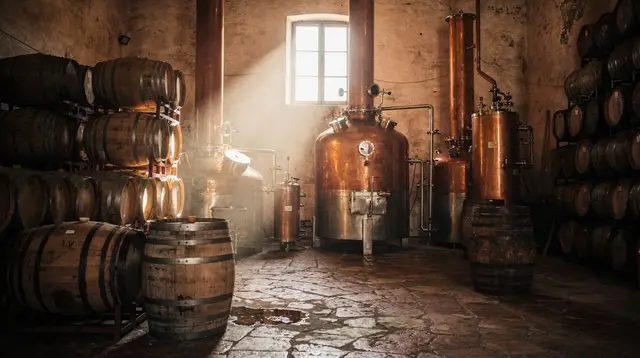
Even without a confirmed market morning, Saint-Paul earns a stop for a few concrete reasons. It’s the gateway town for the road up to the Maïdo, and that drive alone deserves an early start — clouds tend to build over the cirque from mid-morning, so if the belvedere is your goal, don’t linger in town too long. It’s also where you’ll find one of the more interesting rum experiences on this coast, a small artisanal distillery worth a detour if you like knowing how rhum arrangé is actually made rather than just drinking it on a terrace.
a guided visit to an artisanal rhum arrangé workshop in Saint-PaulIf you’d rather see the west coast from above before or after a market stop, Saint-Paul is also a departure point for microlight flights over the Cirque de Mafate and the Maïdo, which give you the geography of the whole west side in about twenty minutes — useful context if you’re trying to work out how the coast, the cirques and the volcano fit together before driving up into the Hauts.
a microlight flight from Saint-Paul over Mafate and the Piton MaïdoA short drive south, Saint-Leu adds tandem paragliding over the bay for anyone who wants the same kind of aerial perspective without the engine noise, launching from the cliffs above the lagoon.
tandem paragliding over the bay of Saint-LeuBetween June and October or so, the same stretch of coast is also where boats go out looking for humpback whales and dolphins, mostly departing from Saint-Gilles-les-Bains just up the road from Saint-Paul.
dolphin and whale watching from Saint-Gilles-les-BainsThe Saint-Gilles whale and dolphin watching guide has more on how that works, and whale season in Réunion: when to see humpbacks covers the timing in more detail.
Pairing Saint-Paul with the rest of the west coast
Saint-Paul rarely works as a stand-alone day. Most visitors fold it into a longer loop along the west coast, stopping in Saint-Gilles-les-Bains for the lagoon and in Saint-Leu for paragliding, diving or just a quieter beach. The things to do in Saint-Gilles and things to do in Saint-Leu guides go into what each town actually offers, and if you’re still choosing a base for a few nights, Saint-Gilles vs Saint-Leu: where to stay lays out the trade-offs. If the lagoon itself is the draw, snorkeling and kayaking at l’Hermitage covers the reef just south of Saint-Paul.
Saint-Paul as a gateway to Maïdo and Mafate
Beyond the market and the coast, Saint-Paul’s other role is as the practical starting point for the road up to the Maïdo and Mafate area, part of the wider cirques that give the island its shape. Mafate itself has no road in — it’s reached on foot only — and the Maïdo and Mafate guided hikes guide explains how people typically approach it, whether that means a day walk from the Maïdo rim or a proper multi-day trek. If sunrise at the Maïdo belvedere is the plan, is the Maïdo sunrise worth it is worth reading before you set an alarm for it.
Getting there and around
Saint-Paul is a short drive north of Saint-Gilles-les-Bains and Saint-Leu, and south of Saint-Denis, along the coastal route. A rental car is the practical way to combine a Saint-Paul stop with the west coast and a Maïdo morning in the same outing — public transport on Car Jaune exists between coastal towns but isn’t built for a day that also climbs into the Hauts.
The driving in Réunion Island and renting a car in Réunion Island guides cover what to expect on the road, and getting around Réunion Island lays out the options if you’d rather not drive at all. For the bus specifically, the Réunion Island by bus: Car Jaune guide explains what it can and can’t realistically cover. If money and payments in euros, cards versus cash, or driving conventions on the island are still unclear before you land, the money and payments in Réunion Island guide is worth reading before you’re at the rental counter.
What this page is, and isn’t
This is a practical visiting note, not a food inventory or a vanilla production dossier — for the island’s dishes and where to eat them, or for the vanilla story specifically, those live on their own pages. Here, the goal is simpler: place Saint-Paul correctly on the west coast, tell you honestly what a Creole market on this island generally offers, and point you toward Saint-Pierre if a confirmed market day matters to your plans.
Saint-Paul market: questions before you go
Does Saint-Paul have a Creole market?
In general terms, yes — Réunion’s coastal towns typically host some form of Creole market with local produce and food stalls. I haven’t verified Saint-Paul’s current days or hours, so confirm locally before planning your morning around it.
Which market on the island can you confirm the schedule for?
Saint-Pierre, in the south, has a covered market and a Saturday marché forain that are well documented. If a market visit is a priority rather than a maybe, build it around Saint-Pierre.
Is Saint-Paul on the way to the Maïdo?
Yes. Saint-Paul sits on the west coast route that leads up toward the Maïdo viewpoint above the Cirque de Mafate, so a stop there fits naturally into a morning heading up the mountain.
How far is Saint-Paul from Saint-Gilles-les-Bains?
It’s a short coastal drive, well under half an hour in normal traffic, though the coastal road can back up at peak times.
Can I get to Saint-Paul without a car?
Car Jaune buses run along the coast, but they’re slow for anything beyond town-to-town travel and impractical for combining a stop with a Maïdo drive. A rental car is the more realistic option.
What should I actually expect to buy at a Creole market here?
Typically fruit and vegetables, spices, vanilla, pickled achards, and hot snacks like samosas and bouchons. Treat any specific stall list you read online, including this page, with some caution unless it’s dated recently.
Is the Saint-Paul rum workshop the same as a market visit?
No — it’s a separate, bookable activity at an artisanal distillery, distinct from browsing a produce market, though both give you a sense of local food culture.
Where can I read more about Réunion’s food and rum culture generally?
See the island-wide guide to rum distilleries and Creole food for a broader picture beyond this one town.
tours.Food
Verified deep-linked GetYourGuide tours. Book through these links and we earn a small commission at no cost to you.
GetYourGuide does not provide a product photo for this activity — the image shows the meeting point, photographed by us.