Snorkeling and kayaking in the Hermitage lagoon
What are snorkeling and kayaking like in the Hermitage lagoon?
The Hermitage lagoon, between Saint-Gilles and La Saline-les-Bains, is a shallow, coral-protected stretch of water suited to masks and paddles rather than boats. Snorkeling and clear-kayak tours stay inside the barrier reef in calm, family-friendly conditions, and both depend on tide and visibility on the day.
Surface-level Réunion, between Saint-Gilles and La Saline
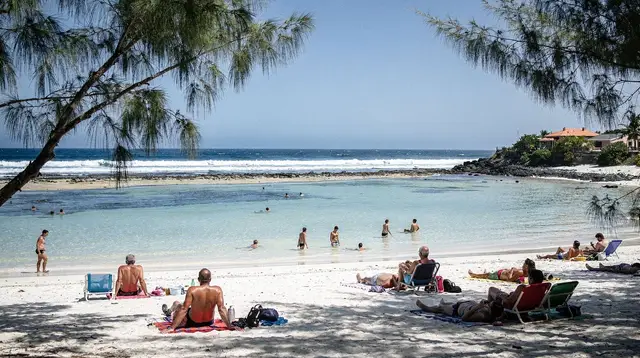
The Hermitage lagoon sits on the sheltered west coast of Réunion Island, running along the coastline between Saint-Gilles-les-Bains and La Saline-les-Bains. A barrier reef sits a few hundred metres offshore, and between the reef and the beach the water is shallow, warm and largely calm — the kind of lagoon that makes mask-and-fins snorkeling and clear-kayak paddling easy rather than adventurous. This page covers exactly those two activities: snorkeling and kayaking on the surface, inside the lagoon. It does not cover scuba diving in Saint-Gilles, which is a different outing entirely — boat-based, outside the reef, in deeper water. If you’re picturing tanks and a dive boat, that’s the other guide.
Saint-Gilles’ marina and its white-sand beaches are a short walk or drive from most of the Hermitage lagoon’s access points, which is part of why this stretch of coast is so heavily used for exactly this kind of low-key water time: families wading in with masks, paddlers gliding over sand patches and coral heads, an hour or two rather than a full-day excursion.
What’s actually in the water here
The Hermitage lagoon is not a single uniform pool. Depth and visibility vary across it, and so does what you’ll see:
- Coral formations in patches, some closer to the surface than others, particularly visible at low tide.
- Reef fish — parrotfish, butterflyfish, surgeonfish — moving between coral heads in the shallower zones.
- Green turtles, which feed on seagrass and algae in and around the lagoon; sightings are common but never guaranteed on a given day.
- Sandy channels and seagrass beds between coral patches, which is where clear kayaks are most useful, letting you see the bottom without getting in the water at all.
None of this is open ocean. The reef is what makes the lagoon calm enough for snorkeling and kayaking to be genuinely beginner-friendly rather than a stretch for confident swimmers only.
Visibility in the lagoon isn’t constant even within a single day: a falling tide can stir up sand near the shallow entry points, while the water over the sandy channels and seagrass beds tends to stay clearer for longer. None of this changes the basic character of the site — sheltered, shallow and enclosed by the reef — but it’s worth remembering that “the lagoon” is really a patchwork of slightly different conditions rather than one uniform swimming pool, which is exactly why local guides who watch it daily tend to know where to head on any given morning.
Snorkeling in the lagoon
Snorkeling here means mask, snorkel and fins, entering from the beach and staying inside the reef. A guided outing such as the turtle-focused snorkeling trip in Saint-Gilles-les-Bains typically groups a handful of snorkelers with a guide who knows where turtles and coral gardens tend to concentrate that week, since conditions shift with tide and swell.
Practical points:
- Fitness level: low. You float and kick gently; no diving skills or certification needed.
- Duration: guided outings usually run 1 to 2 hours in the water.
- Best conditions: calm, clear water, generally mornings before wind picks up.
- Children: workable for reasonably confident young swimmers with an adult in the water alongside them; check the minimum age on the specific tour, as it varies by operator.
A short swim from the reserve, another operator runs the snorkeling outing inside the Marine Nature Reserve near Le Port, which covers a different access point along the same protected coastline if the Hermitage side is busy or the tide isn’t cooperating.
Kayaking the lagoon
Clear-bottom kayaks are the other half of this page’s angle: you sit above the water in a transparent-hulled kayak and look straight down at coral, fish and sand without getting wet at all — a useful option for non-swimmers, young children, or anyone who’d rather paddle than snorkel. The guided clear-kayak tour of the lagoon covers a loop through the calmer inner sections, with a guide pointing out what’s below and steering clear of shallow coral.
Kayaking suits:
- Families with children too young or too nervous to snorkel.
- Anyone who wants to see the reef without swimming.
- A shorter, lower-effort outing — most guided kayak sessions run under 1.5 hours.
Standard sit-on-top kayaks can sometimes be rented independently from beach operators along the Hermitage stretch; a guided clear-kayak tour adds the transparent hull and a guide who knows the coral layout, which matters more here than on open water.
Combining the two, or adding a wider view
Some visitors do a morning snorkel and an afternoon kayak session as two separate, calmer activities rather than trying to combine them in one outing — the pace of each is different enough that rushing both in a single booking usually means less time in the water. If you want a different vantage point on the same coastline afterward, an ultralight flight such as the microlight flight over the Hermitage lagoon and La Saline-les-Bains shows the reef outline and the lagoon’s color changes from above — a good complement, not a substitute, since it’s a completely different kind of experience from being in the water.
What to bring
A rash guard or light wetsuit top helps with both sun and the occasional cooler patch of water, especially outside the warmest months. Reef-safe sunscreen matters more here than almost anywhere else on the island, since regular sunscreen rinses off directly onto the coral you’re trying not to damage. Water shoes are useful for the walk from the car park to the shoreline, where the ground can be a mix of sand, volcanic rock and the odd sea urchin in shallow pools. If snorkeling or kayaking here is one stop on a longer trip, the general what to pack for Réunion Island guide covers the rest of the list, and money and payments in Réunion Island is worth a glance if you’re paying for parking or a beach rental in cash, since not every small operator along this stretch takes cards.
Reef rules: what the marine reserve actually asks of you
The whole lagoon sits inside the Réunion Island Marine Nature Reserve, created in 2007 to protect a reef that is fragile and slow to recover from damage. This isn’t a suggestion pinned at the beach entrance — it shapes how you should move through the water:
| Do | Don’t |
|---|---|
| Float horizontally, fins clear of the bottom | Stand on coral, even “just for a second” |
| Use reef-safe sunscreen (mineral-based, no oxybenzone/octinoxate) | Apply regular sunscreen right before entering the water |
| Keep a respectful distance from turtles if you see one | Chase, touch or feed marine life |
| Follow marked entry points and your guide’s route | Wander into unmarked shallow coral patches to “get closer” |
| Pack out anything you bring in | Leave litter, even biodegradable food scraps |
A guided tour handles most of this by routing around sensitive coral, but the responsibility doesn’t disappear just because someone else is leading — a fin kick that clips a coral head does the same damage whether or not a guide is nearby.
Getting there and when to go
The Hermitage lagoon’s access points sit along the coast road between Saint-Gilles-les-Bains and La Saline-les-Bains, roughly a 5 to 10-minute drive from central Saint-Gilles, less if you’re already staying along the Hermitage stretch. Public beach access exists at several points, with free and paid parking depending on the spot.
- Best time of day: mornings, before the wind picks up and before the water gets stirred up by activity later in the day.
- Best season: the dry, cooler austral winter (May to October) tends to bring clearer water than the wetter austral summer (November to April), though this is a general pattern, not a guarantee for any specific week.
- Tide matters: at low tide, some coral patches sit close enough to the surface that swimming over them without touching takes more care; check the tide table before you go rather than after you’re already in the water.
- Weather dependency: like most water activities on this coast, visibility and comfort depend on recent rain, wind direction and swell. A guide or operator can tell you same-day conditions better than any general seasonal rule.
Most visitors reach the Hermitage lagoon by rental car, since public transport along this stretch of the west coast is far less frequent than buses into Saint-Gilles itself. Renting a car in Réunion Island and driving in Réunion Island cover what to expect on the roads generally; along the Hermitage stretch specifically, the free parking spots fill first on weekend mornings, so arriving early buys you both a parking space and calmer water before the day’s wind and activity pick up.
Where to stay nearby
Staying in or near Saint-Gilles-les-Bains puts you within easy reach of the Hermitage lagoon, the marina, and the beaches, without a long drive each morning. If you’re deciding between bases on this coast, the comparison of Saint-Gilles versus Saint-Leu covers the trade-offs — Saint-Gilles leans toward lagoon activities like this one, while Saint-Leu leans toward paragliding and surf.
Other things to do in Saint-Gilles
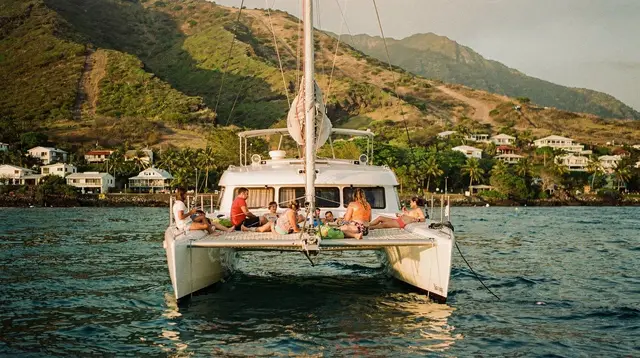
Snorkeling and kayaking are two pieces of a broader lineup of things to do in Saint-Gilles, which also includes catamaran sunset cruises, whale and dolphin watching further offshore, and scuba diving outside the lagoon. If you’re planning a full day rather than a single activity, the Saint-Gilles whale and dolphin watching guide covers the boat-based side of the coast, and scuba diving in Saint-Gilles covers what’s beyond the reef.
For a slightly different snorkeling setting along the same protected coastline, the Saint-Leu and l’Etang-Salé diving and snorkeling guide covers spots further south, and snorkeling and surfing in Saint-Leu covers a different stretch of reef entirely, with its own conditions and access points.
If you’d rather see the coastline from a boat instead, the sea cruise tour along the coast is a straightforward option, and nearby, the visit to the Arche du Paradis rock formation pairs well with a morning in the Hermitage lagoon if you’re staying on this side of the island for a full day.
For sunset timing specifically, this stretch of coast is also one of the island’s better vantage points once you’re out of the water — see best sunset spots on the west coast if you’re staying nearby and want to end a morning of snorkeling or kayaking with something to do as the light drops later in the day.
Planning around the rest of the west coast
The Hermitage lagoon is one stop on the west coast, which also includes Saint-Leu’s paragliding scene and the Maïdo viewpoint above Mafate. If you’re building a broader itinerary, how many days in Réunion Island and where to stay in Réunion Island help frame how much time to set aside for lagoon activities versus the mountains and cirques. For families specifically, Réunion Island with kids and family-friendly hikes in Réunion Island round out a West Coast base with easier options beyond the water.
Before booking anything water-based, it’s worth a look at where you can actually swim in Réunion Island — swimming and water sports outside the lagoon and monitored zones are restricted by prefectural order because of shark risk, which is exactly why the Hermitage lagoon’s reef-protected water is one of the more reliable places on the island for this kind of activity in the first place. For weather and seasonal planning beyond this one stretch of coast, best time to visit Réunion Island sets lagoon conditions here against the rest of the island’s climate patterns, including the austral summer’s cyclone season and the drier, cooler winter months.
FAQ: snorkeling and kayaking in the Hermitage lagoon
Where exactly is the Hermitage lagoon?
It runs along the west coast of Réunion Island, between Saint-Gilles-les-Bains and La Saline-les-Bains, a few minutes from Saint-Gilles’ marina and white-sand beaches.
Is the Hermitage lagoon good for beginners and children?
Yes. The barrier reef keeps the water calm and shallow over much of the lagoon, which is why it’s one of the most family-friendly spots on the island for snorkeling and kayaking. Adult supervision is still needed, especially near reef edges and channels.
Can I touch or stand on the coral?
No. The lagoon sits inside the Réunion Island Marine Nature Reserve, and the reef is fragile and slow-growing. Keep a horizontal float, avoid standing up, and use reef-safe sunscreen.
Do I need to book a guided tour, or can I go on my own?
Independent snorkeling from the public beaches is common and free, but a guided snorkel or clear-kayak tour adds local knowledge of where turtles and fish are likely on the day, plus equipment and, for kayaking, a boat you don’t have to buy or transport.
Is this the same as scuba diving in Saint-Gilles?
No. Diving trips leave Saint-Gilles’ marina by boat and go outside the lagoon to deeper sites. Snorkeling and clear-kayak tours in the Hermitage lagoon stay on the surface, inside the reef, in shallow water.
What’s the best time of day and season to go?
Mornings tend to have calmer water and better light for visibility. The dry, cooler austral winter (May to October) generally gives clearer water than the wetter austral summer (November to April), though conditions vary day to day regardless of season.
Will I definitely see turtles?
Often, but never guaranteed. Green turtles do feed in and around the lagoon, and guided tours generally know the areas where sightings are more likely, but wildlife encounters can’t be promised on any given outing.
Do I need to bring my own snorkel gear or kayak?
No. Guided snorkeling and clear-kayak tours include masks, fins and the kayak itself. If you’re going independently rather than on a guided tour, standard sit-on-top kayaks can sometimes be rented from beach operators along the Hermitage stretch, and some visitors bring their own mask and snorkel, though it isn’t required.
Snorkeling and lagoon activities on GetYourGuide
Verified deep-linked GetYourGuide tours. Book through these links and we earn a small commission at no cost to you.
GetYourGuide does not provide a product photo for this activity — the image shows the meeting point, photographed by us.