Things to do in Saint-Gilles-les-Bains
What can you actually do in Saint-Gilles-les-Bains?
Saint-Gilles-les-Bains is the main lagoon town on Réunion's west coast, with a marina for dolphin and whale watching boats, a protected lagoon for snorkelling, the Aquarium de La Réunion, and helicopter flights over the cirques and the volcano. Swimming is limited to the lagoon between L'Hermitage and La Saline-les-Bains; open-water swimming and surfing outside protected zones are banned by prefectural order because of the shark risk.
Saint-Gilles-les-Bains, the west coast’s base camp
Most visitors to Réunion Island end up sleeping somewhere along the west coast lagoon, and Saint-Gilles-les-Bains is where that stretch of coast concentrates its restaurants, dive shops, boat operators and nightlife. It sits on the dry, sunny “leeward” side of the island, in a bay protected by a coral reef that runs from L’Hermitage in the north down to La Saline-les-Bains in the south. That reef is the reason the town exists as a beach resort at all: it breaks the swell and creates the calm, shallow lagoon where swimming, snorkelling and family days at the beach are actually possible on an island whose open coastline is mostly cliffs, black rock or unprotected surf.
This page is a hub for what you can book and do from Saint-Gilles itself: the marina, the lagoon, the Aquarium de La Réunion, and the boats, helicopters and land tours that leave from here. It does not go deep into paragliding, which is Saint-Leu’s specialty a short drive south, or into the volcano hike itself, both covered on their own pages. What it does cover is the logistics: what’s in the lagoon, what leaves the port, and how Saint-Gilles compares to its quieter neighbours.
The lagoon: where you can actually swim
The lagoon between L’Hermitage and La Saline-les-Bains is calm, shallow and protected by the reef, and it is the only part of this coastline where swimming is straightforward and, in practice, where it is permitted. Réunion enforces a prefectural order restricting bathing and nautical activities outside the lagoon and outside marked, surveilled zones, because of a real and documented shark risk on the open coast. That is not a scare story added for effect: it is the reason you will see flags and signage at the edge of the reef, and it is the reason locals do not swim past it. Inside the lagoon, the water is typically warm, clear and shallow enough for children, with patches of coral and reef fish visible with just a mask.
The Réunion Island Nature Marine Reserve, created in 2007, protects this same reef. Walking on coral and using reef-unfriendly sunscreen both damage it, and the reserve asks visitors to avoid both. The lagoon looks robust from the surface, but it is a narrow, fragile strip of coral, and it is under real pressure from both tourism and runoff.
Boat trips from the marina: dolphins, whales and the seabed
The Saint-Gilles marina is the departure point for most of the west coast’s boat-based activities. Bottlenose and spinner dolphins are resident off this coast and are seen on boat trips through much of the year; humpback whales pass by roughly from June-July to October and are the target of dedicated whale watching trips during that window. No operator can promise a sighting on either species, and honest boats say so.
a half-day boat trip from the marina to look for dolphins and, in season, humpback whales is the most-booked outing from Saint-Gilles, and it runs year-round with whale sightings concentrated in the austral winter. For a gentler option that does not require getting in the water, a glass-bottomed or semi-submersible boat trip over the reef shows the coral and reef fish to anyone who would rather stay dry, including small children and non-swimmers.
Snorkelling and diving in the lagoon
The lagoon’s shallow reef makes it one of the easiest snorkelling spots on the island, with turtles a regular sighting close to shore. a guided snorkelling outing in the lagoon aimed at spotting green turtles suits beginners and families, since the water rarely gets deep or rough this close to the beach.
Certified divers have more options further out past the reef, where visibility and marine life pick up; Kélonia, the sea turtle observatory near Saint-Leu, is a useful stop before or after a dive to understand what you are looking at. Diving itself is covered on its own page for the west coast; this page is about what leaves from Saint-Gilles specifically.
| Activity | Typical duration | Who it suits |
|---|---|---|
| Lagoon snorkelling (self-guided) | 1–2 hours | Confident swimmers, families |
| Guided turtle snorkelling | 2–3 hours | Beginners, first-time snorkellers |
| Dolphin and whale watching boat | Half-day | Anyone, weather permitting |
| Semi-submersible or glass-bottom boat | 1–2 hours | Non-swimmers, young children |
| Scuba diving (certified) | Half-day | Certified divers only |
Helicopter flights and land-based outings
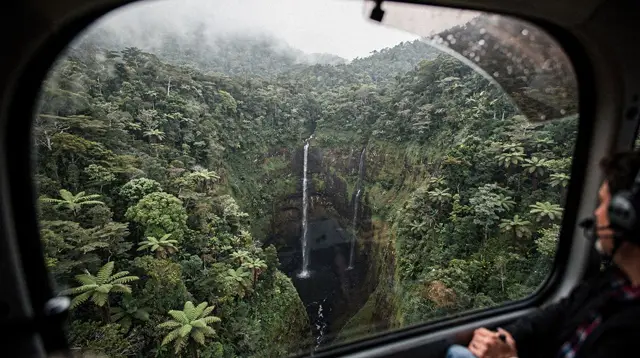
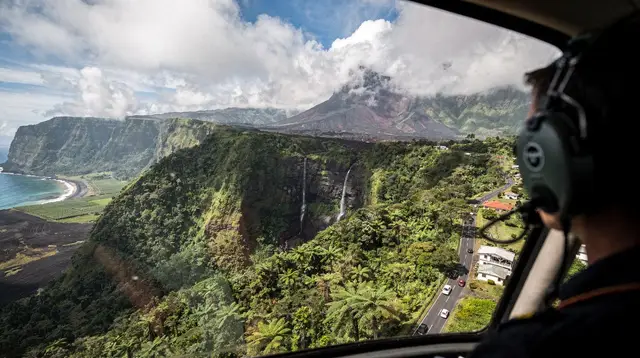
Saint-Gilles is also a launch point for helicopter flights over the interior, which is often the only realistic way to see Mafate or the Trou de Fer without a multi-day trek. a scenic helicopter flight departing Saint-Gilles over the cirques and the volcano runs early in the morning, before cloud typically builds over the interior later in the day; book with some flexibility on the date, since flights depend on visibility and can be postponed.
On land, quad and buggy outings into the hills above town cover a different side of the island: sugar cane fields, viewpoints over the coast, and the drier scrubland typical of the west. These are a half-day activity, usually including a stop for the view rather than continuous riding.
A short, easy walk from central Saint-Gilles reaches the Arche du Paradis, a natural rock arch on the coast just south of town, worth the detour if you are already walking the seafront and want a free stop with a view.
Saint-Gilles-les-Bains, L’Hermitage and La Saline-les-Bains: the same lagoon, three different bases
These three names all sit on the same protected lagoon, and it is easy to conflate them. Saint-Gilles-les-Bains is the commercial centre: the marina, the largest concentration of restaurants and bars, most of the nightlife, and the Aquarium de La Réunion. L’Hermitage, immediately north, is quieter and more residential, with large resort hotels set back from a wide beach and less foot traffic in the evening. La Saline-les-Bains, further south along the same reef, is quieter still, popular with families and with a reputation as one of the better sunset spots on this stretch of coast.
None of the three is objectively “better”: the choice comes down to whether you want restaurants and a marina within walking distance (Saint-Gilles), a quieter resort strip (L’Hermitage), or a smaller, more local beach town (La Saline-les-Bains). The lagoon, the reef and the shark-related swimming restrictions apply equally to all three.
Day trips from Saint-Gilles: volcano, cirques and the wetter coasts
Because so many visitors base themselves on the west coast, Saint-Gilles has become the default departure point for day trips to parts of the island that are a genuine drive away. Piton de la Fournaise, the active volcano in the southeast, the cirques of Cilaos and Salazie, the humid east coast around Sainte-Rose and Saint-Benoît, and the Sud Sauvage around Saint-Joseph and Saint-Philippe are all reachable as long day trips from here, each covered in full on its own guide. This page only flags that they exist as options from Saint-Gilles; none of the driving times, road conditions or trail closures for those destinations are detailed here.
The one caution worth repeating on every one of those day trips: Réunion’s mountain roads are slow. A distance in kilometres tells you almost nothing about drive time on the road to Cilaos or the road up to the volcano, both of which wind through switchbacks for an hour or more. Anyone planning a day trip from Saint-Gilles should budget the actual driving and hiking time, not the straight-line distance, and check trail status before setting out.
Practical planning: prices, seasons and booking
Prices on the west coast sit roughly where you would expect for a French island tourism hub: a bit above mainland France because so much is imported, comparable to a mid-range Mediterranean resort town. Boat trips and helicopter flights are priced per person and vary with duration; check the current rate on the GetYourGuide or Viator listing rather than relying on a fixed figure here, since prices are adjusted through the season.
| Season | Months | What it means for Saint-Gilles |
|---|---|---|
| Austral winter | May–October | Dry, cooler, best diving visibility, whale season from June-July |
| Austral summer | November–April | Hot, humid, cyclone season, more afternoon rain even on this drier coast |
Réunion’s seasons run opposite to Europe’s: the austral winter, from May to October, is the dry season here and the best window for both boat trips and the reliable, clear-sky days that helicopter flights need. The austral summer, November to April, brings heat, humidity and the cyclone season, with the risk concentrated from January to March. A cyclone on a given date is never something to call likely or unlikely in advance; if travelling in this window, keep bookings flexible and follow the prefecture’s alert system.
Booking ahead matters most in July and August, when French school holidays overlap with the best diving and whale watching conditions, and operators can sell out days in advance. Outside those peaks, booking a day or two ahead is usually enough for boat trips, snorkelling outings and helicopter flights alike.
FAQ: things to do in Saint-Gilles-les-Bains
Is it safe to swim in Saint-Gilles-les-Bains?
Swimming is safe and normal inside the lagoon, protected by the coral reef between L’Hermitage and La Saline-les-Bains. Bathing and surfing outside the lagoon and outside marked, surveilled zones are banned by prefectural order because of the shark risk, so stay inside the lagoon or use supervised beaches further south.
What is the difference between Saint-Gilles-les-Bains, L’Hermitage and La Saline-les-Bains?
All three share the same protected lagoon on the west coast. Saint-Gilles-les-Bains is the liveliest, with the marina, most restaurants, shops and nightlife. L’Hermitage and La Saline-les-Bains, just north and south along the same lagoon, are quieter and more residential, with fewer bars but similarly good swimming and snorkelling.
Can you see whales from Saint-Gilles-les-Bains?
Humpback whales pass along the west coast roughly from June-July to October, and boats leave the Saint-Gilles marina for whale watching trips during that window. Sightings are never guaranteed and depend on the season and the day, so treat any trip as a chance to see whales, not a promise.
Do you need to book boat trips and helicopter flights in advance?
Yes, especially in the Réunion winter (May to October), which is both the best hiking season and the whale watching season, so boats and helicopters fill up. Booking a few days ahead is usually enough outside peak weeks, but July, August and the whale season windows can sell out faster.
Is Saint-Gilles-les-Bains a good base for visiting the volcano or the cirques?
Yes. Many day trips to Piton de la Fournaise, Cilaos, Salazie and the east coast depart from Saint-Gilles, since most visitors stay on the west coast. The volcano and the cirques are covered in detail on their own pages; this page focuses on what you do in and around Saint-Gilles itself.
What is there to do in Saint-Gilles-les-Bains besides the beach?
The Aquarium de La Réunion, the marina and its boat trips, snorkelling and diving in the lagoon, helicopter and quad excursions, and a walk to the Arche du Paradis natural arch just south of town. Saint-Leu’s paragliding and the volcano are close by but are separate outings, not Saint-Gilles activities.
Is Saint-Gilles-les-Bains expensive?
Prices sit in the middle of Réunion’s range: restaurants and boat trips cost roughly what you would pay on a French Mediterranean coast, a little more than mainland France because most goods are imported. Snorkelling gear rental and a walk to the lagoon cost nothing beyond your accommodation.
Where to go next
For the wider west coast, see things to do in Saint-Leu for paragliding and Kélonia, or compare bases with Saint-Gilles vs Saint-Leu for where to stay. For the south of the island, things to do in Saint-Pierre covers the second-largest town and its own airport. Day trips organised from this base are detailed in Piton de la Fournaise day trip from Saint-Gilles, Cilaos day trip from Saint-Gilles, Salazie day trip from Saint-Gilles, east coast day trip from Saint-Gilles and wild south day trip from Saint-Gilles.
For planning the wider trip, how many days in Réunion Island and where to stay in Réunion Island help decide whether Saint-Gilles should be your only base or one stop among several, and is Réunion Island safe for tourists covers the shark and swimming rules in more depth than this page does. For the marine reserve’s rules on snorkelling and reef contact, see best beaches in Réunion Island. If a boat trip on a particular day matters to your plans, check Réunion Island weather by month before booking.
Trip planning tours and activities on GetYourGuide
Verified deep-linked GetYourGuide tours. Book through these links and we earn a small commission at no cost to you.
GetYourGuide does not provide a product photo for this activity — the image shows the meeting point, photographed by us.