What happens if a cyclone hits during your trip
I booked a week in Réunion for late January once, fully aware that January sits in the middle of cyclone season, and a family member asked me, not unreasonably, whether I was worried about getting stuck on a tropical island in a storm. I wasn’t, not really, but I also hadn’t understood how the alert system actually works until I was sitting in a gîte in Saint-Gilles refreshing the prefecture’s website while the wind picked up outside. Nothing came of it that time. But the question is worth answering properly, because the honest version is more reassuring than the vague one. If you want the fuller picture of when the risk is highest, see our cyclone season guide; this post is about what actually happens, day to day, if one does form while you’re on the ground.
The season, briefly
Réunion’s cyclone season runs roughly from November to April, overlapping with the austral summer, and the period most likely to see an actual cyclone pass close to the island is January to March. That’s a wide window and most of it passes without incident. A named system forming in the Indian Ocean does not mean it will come anywhere near Réunion, and even when one does approach, most weaken or veer off before making landfall. I’m not going to tell you the odds for your specific dates, because nobody honestly can. What I can tell you is what happens on the ground if a system does get close enough to matter. If you have flexibility, our guide to the best time to visit and the month-by-month breakdown in Réunion weather by month both explain why the dry austral winter (May to October) is the lower-risk window for hiking-focused trips.
How the alert system actually works
The French state, through the prefecture, runs a four-stage system for the whole island, and it’s worth knowing the names because you’ll see them on the news, on hotel notice boards and on your phone if you have a French SIM or eSIM.
| Stage | What it means | What you do |
|---|---|---|
| Pre-alert / cyclonic vigilance | A system is being tracked and could affect the island within days | Keep watching forecasts, don’t change plans yet |
| Orange alert | The system could hit within roughly 24 hours | Stock up on water and food, secure loose items, activity operators start cancelling |
| Red alert | The system is imminent or hitting now | Confinement: stay indoors, no travel of any kind, schools and most businesses closed |
| Post-alert / safeguard phase | The worst has passed but hazards remain | Stay alert for flooding, landslides and downed power lines before going back out |
Red alert is the one that changes your day completely. When it’s declared, everyone on the island, tourists included, is expected to stay inside wherever they are when the alert drops. Roads close, Car Jaune buses stop running, both airports (Roland-Garros and Pierrefonds) halt flights, and hotels and gîtes switch into a kind of lockdown mode. It’s not dangerous to be inside a solid building during this phase; it’s dangerous to be outside, in a car, or on a boat. The whole point of confinement is that everyone is accounted for and off the roads before the worst winds arrive.
In my experience the practical reality is closer to inconvenient than frightening. You’re in a hotel room, or a rented house, with the shutters down, watching French TV coverage or the prefecture’s own updates, for anywhere from several hours to a day or two. Then the red alert lifts, a safeguard phase follows while the island checks for flooding and landslip on mountain roads, and normal life resumes once officials say it’s clear.
What it means for your bookings
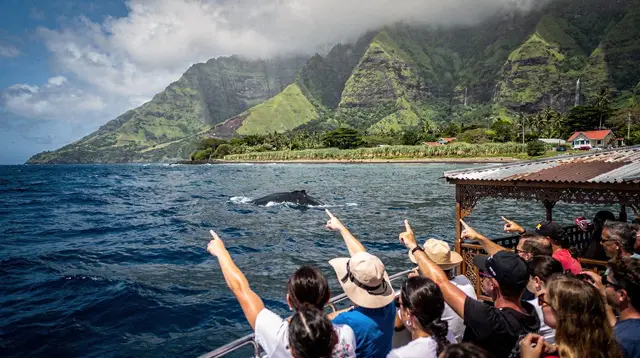
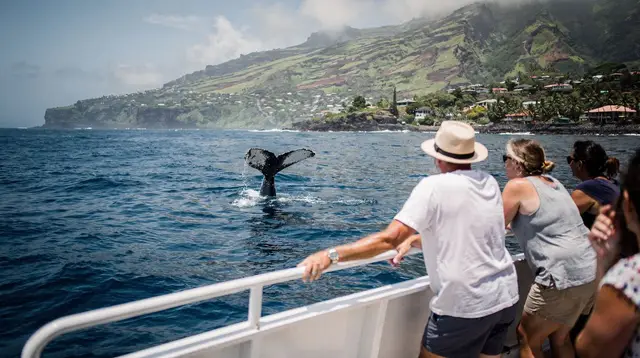
Everything outdoor-dependent gets paused or cancelled once orange alert is declared, not just during red alert itself. Boat trips out of Saint-Gilles, whale and dolphin watching such as dolphin and whale watching in Saint-Gilles-les-Bains, microlight and helicopter flights, tandem paragliding over the bay of Saint-Leu, any hike up to Piton de la Fournaise or into the cirques — all of it stops as a matter of course, because the operators are the ones making the call and they’re not going to send a boat out or a paraglider up in building cyclone winds.
Our roundups of adventure activities and Piton de la Fournaise volcano tours both flag weather dependency for exactly this reason. If you had something booked, expect an email or a call from the operator rather than having to chase them; reputable outfits reselling through GetYourGuide or Viator cancel and refund automatically when a red alert is in force, since it’s a government-mandated closure, not a discretionary one.
Flights are the bigger practical worry if your return leg falls during an alert window. Airlines typically suspend operations into and out of Roland-Garros or Pierrefonds ahead of a red alert and resume once the runway and surrounding area are cleared and safe, which can take a day beyond the alert itself lifting. Our guides to flights to Réunion Island and getting from Roland-Garros airport to Saint-Gilles cover the routes most likely to be affected. If you’re flying out via Paris or Mauritius, build a spare day into your itinerary during cyclone season rather than a tight connection, and keep your airline’s app or a French number handy for rebooking notices.
Getting around while an alert is in force
Confinement doesn’t just ground flights and boats — it closes the road network too. Car Jaune buses, covered in our guide to Réunion Island by bus, stop running entirely during red alert, and even during orange alert, drivers are told to stay off mountain roads. If you’re driving in Réunion or wondering whether you even need a car on the island, cyclone season is one more reason to build slack into your plans: the roads most likely to shut first are the ones already prone to landslip, above all the road to Cilaos and its roughly 400 bends. Our broader getting around Réunion Island guide covers normal conditions; during an alert, assume none of it applies until officials say otherwise.
Insurance and flexible bookings, not a forecast
This is the part I’d actually act on before the trip rather than during it. Travel insurance that covers weather disruption, and accommodation booked with a free-cancellation or flexible-date option, cost very little extra and matter a lot if a system does track toward the island in your window. I don’t buy insurance because I think a cyclone is likely on my specific dates — again, nobody can honestly tell you that in advance — I buy it because the downside of being wrong is a cancelled flight and no refund, and the cost of being prepared is a few euros.
Same logic applies to gîte bookings in the cirques: ask about the cancellation policy before you pay a deposit, especially if you’re travelling November through April. It’s also worth reading entry requirements for Réunion Island before you book, since Réunion is in the EU but outside Schengen, and our Réunion Island trip cost guide can help you weigh whether flexible-rate accommodation is worth the small premium for your budget.
If you’re deep in the cirques when a warning comes through
The cirques deserve their own note because they behave differently from the coast. Cilaos is reached by a single road with roughly 400 bends, and Mafate has no road at all — it’s on foot only, as our Mafate hiking planning guide explains. If a cyclonic vigilance or orange alert is announced while you’re hiking in Salazie or Mafate, the safest move is to head down to a gîte or out to accessible ground immediately rather than waiting to see how the system develops, because these are the first routes to close for landslide risk and among the last to reopen afterward.
While you’re there
Once you land, the two habits that actually matter are simple. First, check the prefecture’s cyclone bulletin (Météo France Réunion publishes it directly) once a day if you’re visiting during the season, the way you’d check tomorrow’s weather anywhere else — it’s routine, not alarmist; our phone and internet in Réunion Island guide covers how to stay connected to it, and EU roaming means most European SIMs work as normal. Second, if your accommodation host or a hotel notice tells you an alert level has changed, treat it as an instruction, not a suggestion.
Reunionnais residents have lived with this system for generations and the confinement rules exist because they work; ignoring them to get one more day of hiking in isn’t worth it. If you’re inland in the Hauts or in one of the cirques when a warning comes through, get down to lower, accessible ground before roads potentially close, since mountain routes like the road to Cilaos or up to the Maido are among the first to shut for landslide risk. For general safety context beyond cyclones, see is Réunion Island safe for tourists, and for common planning mistakes, Réunion Island travel mistakes to avoid.
The honest summary is that a cyclone during your trip is a real possibility if you travel between November and April, it’s a manageable one if you’ve bought flexible insurance and bookings, and if it happens, it costs you a day or two of confinement indoors rather than the whole holiday. I’d still go back in January. If your dates are flexible, our one week in Réunion Island itinerary and what to pack for Réunion Island are both worth checking before you book, and for a broader sense of the island’s rhythms outside alert periods, our things to do in Saint-Pierre guide covers the south, where Pierrefonds airport sits.
Cyclone season and your trip: questions answered
When is cyclone season in Réunion?
Roughly November to April, overlapping with the austral summer, with the highest likelihood of an actual system affecting the island between January and March.
Can you predict whether a cyclone will hit on specific dates?
No, and you should be wary of anyone who claims otherwise. Forecasters can track a system days out once it forms, but no one can say months in advance whether a cyclone will affect a given week.
What does red alert actually require you to do?
Stay indoors wherever you are — hotel, gîte or rental house — until the alert is lifted. Roads, buses, boats and flights all stop during red alert.
Will my tour or boat trip be refunded if it’s cancelled for a cyclone?
Operators booked through GetYourGuide or Viator generally cancel and refund automatically when the prefecture forces a closure, since it’s outside anyone’s control. Confirm the specific policy at booking.
Should I buy travel insurance for a trip during cyclone season?
Yes, insurance that covers weather disruption and flexible-cancellation accommodation are both worth the small extra cost if you’re travelling November through April.
How long does a cyclone alert typically last?
A red alert itself often lasts under a day, but flights and outdoor activities can stay paused a bit longer while runways are checked and roads are cleared of flood or landslide damage.
Does a cyclone warning affect the whole island at once?
Yes. The prefecture’s alert levels apply island-wide, though impacts like heavy rain can be worse on the windward east coast than on the drier west.
Where do I check the current alert level while I’m there?
Météo France Réunion’s cyclone bulletin and the prefecture’s official channels are the sources to follow; your accommodation host will usually also relay any change in alert level.
Seasonal Réunion Island activities on GetYourGuide
Verified deep-linked GetYourGuide tours. Book through these links and we earn a small commission at no cost to you.
GetYourGuide does not provide a product photo for this activity — the image shows the meeting point, photographed by us.